English| EUR
Suggested for you
More currencies
Choose a language
The Blue Mountains rise 45 minutes northeast of Kingston, home to one of the world's most regulated coffee appellations. This guide covers the logistics of visiting an active estate in Irish Town — how to get there from the capital, what a guided tour includes, and when to leave Kingston to arrive during the best visibility window.
Quick answer
A blue mountain coffee tour from kingston requires a 45-minute drive to Irish Town, where guided estate tours run daily from 08:30 to 16:30 (weekdays) and 08:00 to 16:00 (weekends) at 25 USD per adult. Morning departures from Kingston between 07:30 and 09:00 place you on-site during the coolest hours, before afternoon mist obscures the ridgeline views that frame the plantation landscape.
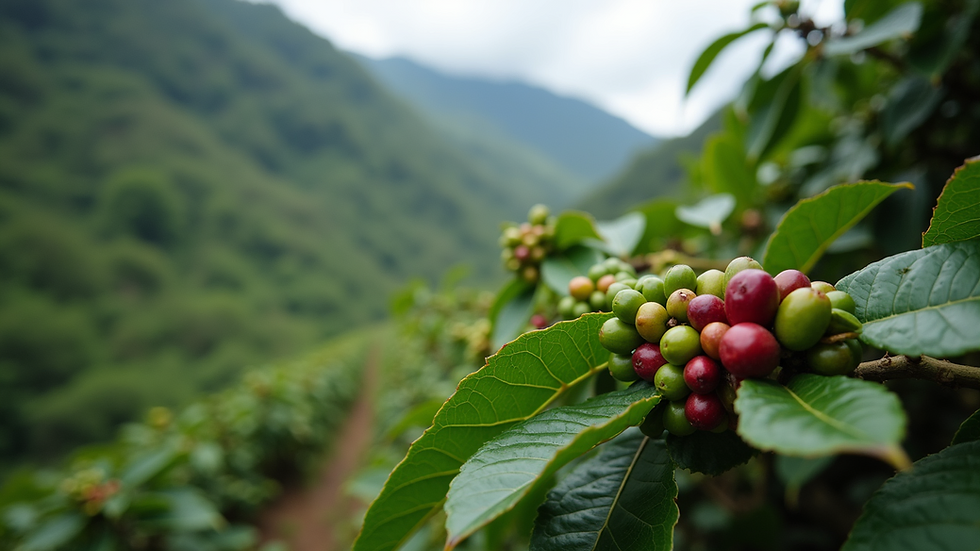
Jamaica Blue Mountain coffee holds Protected Designation of Origin status, and only beans grown above 3,000 feet within a designated parish boundary may carry the name. The estates clustered around Irish Town sit at 4,200 feet, where volcanic soil, persistent cloud cover, and a narrow temperature band create the slow-ripening conditions that define the cup profile. A Kingston-based coffee estate visit begins with route selection. The B1 highway climbs from Papine through Gordon Town, transitioning from lowland heat into montane forest within twenty minutes. The road narrows past Content Gap, and the final stretch into Irish Town follows hairpin curves where tour vehicles yield to produce trucks descending from higher villages. Most visitors arrange transportation through their Kingston accommodation or hire a licensed driver familiar with the route, as roadside parking near the estates is limited and informal. Guided estate tours last 90 minutes and follow the production sequence: nursery seedlings, terraced groves, wet-processing stations, and the drying patios where parchment coffee rests under retractable canopies. Guides explain the handpicking protocol — only ripe red cherries are selected, and a single tree is harvested multiple times each season as fruit matures unevenly on the same branch. The tasting portion uses beans roasted on-site, and visitors compare the estate's lot against a standard Jamaican arabica to identify the flavor markers tied to elevation and processing method. Temperature and visibility shift dramatically by mid-afternoon. The Blue Mountain range traps moisture moving inland from the Caribbean, and by 14:00 most days a dense mist settles over the ridgeline. Morning tours offer unobstructed views across the estate and down the valley toward Kingston's harbor, making the early arrival window a practical recommendation rather than a casual preference. The estates operate year-round, though the main harvest runs from August through March, when the volume of cherry processing and the scent of fermenting mucilage are most pronounced.
“Only beans grown above 3,000 feet within the designated parish boundary may carry the Jamaica Blue Mountain name.”
The best arrival window for your visit is 08:30–10:30. Arriving during these morning hours ensures cooler temperatures and clearer visibility before the afternoon mist settles over the mountains.
—
Ideal for a quiet experience with clear mountain views.
Dry season, 18°C to 24°C
Optimal conditions for hiking and estate exploration.
Higher humidity, 20°C to 28°C
Expect frequent afternoon rain showers in the mountains.
Stable temperatures
Best weather for coffee harvesting and processing activities.
Verdict: Tuesday to Thursday, arriving between 08:30 and 10:30, during the dry months of January through March provides the best balance of weather and crowd levels.
The Blue Mountain coffee estates maintain a consistent weekly schedule to accommodate visitors traveling from Kingston. Tours are available seven days a week.
The coffee estates are located in Irish Town, Blue Mountains, Jamaica, typically accessed via private vehicle or hired transport from Kingston. The journey involves navigating mountain roads that wind through the foothills.
B1 Road via Papine and Gordon Town
Hire from Kingston to Irish Town
Plan your travel to ensure you reach the estate during the best arrival window of 08:30–10:30. Arriving within this timeframe ensures you have sufficient time for your tour before the afternoon mist begins.
Prepare for the mountain climate and terrain to make the most of your estate visit.
Everything you need to know about blue mountain coffee tour from kingston
To plan your blue mountain coffee tour from kingston, consider travel logistics to Irish Town where most major estates are located. The journey involves navigating mountain roads, so allow sufficient travel time from the city center to ensure you arrive during optimal daylight hours.
The entrance fee is 25 USD per adult for a guided estate tour. This fee typically covers the walk through the coffee fields and an explanation of the processing methods.
The best arrival window is 08:30–10:30. Arriving during these morning hours offers cooler temperatures and better visibility before the afternoon mist settles over the slopes.
Yes, the Blue Mountains are a popular destination for a day trip from the capital. Many visitors choose a blue mountain coffee tour from kingston to experience the high-altitude climate and renowned agricultural heritage.
During a typical excursion, you will learn about the harvesting, drying, and roasting of world-famous beans. These educational sessions provide deep insight into the production of Jamaican coffee in the mist-covered hills.
The estate in Irish Town is open on Saturdays and Sundays from 08:00–16:00. These weekend hours provide flexible options for those unable to visit during the typical work week.
While policies vary by operator, booking your blue mountain coffee tour from kingston early helps secure your spot, especially during the peak harvest season. Checking availability ahead of time ensures a smooth experience upon your arrival in the mountains.
The most authentic way to explore coffee culture is to engage directly with local experts on a guided tour. Observing the pulping and roasting process firsthand provides a comprehensive look at how this commodity is produced in the unique geography of the Blue Mountains.