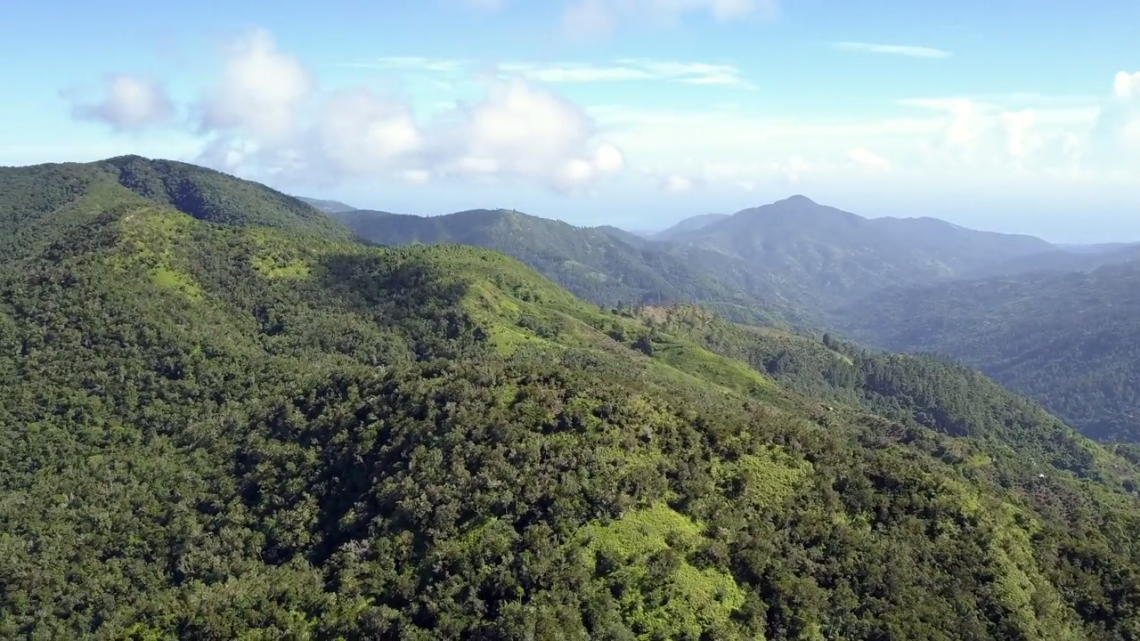
Holywell Recreation Area
25 min drive
This site offers trails through cloud forests that mirror the high-altitude conditions required for coffee growth.
Jamaican Blue Mountain coffee commands one of the highest price tags in the global coffee market, often exceeding $50 per pound for authenticated beans. The premium reflects strict geographic boundaries, rigorous certification, and growing conditions found nowhere else. This guide examines the factors behind the cost and whether the cup justifies the outlay.
Quick answer
Jamaican Blue Mountain coffee is worth the price for buyers who prioritize clarity, balance, and a demonstrably smooth cup with minimal bitterness. The premium reflects genuine scarcity—only 2,500 acres qualify for certification—and a tightly controlled supply chain. For casual drinkers or those who favor bold, heavy-bodied roasts, equally satisfying alternatives exist at a fraction of the cost.
Only coffee grown between 3,000 and 5,500 feet in four Jamaican parishes—St. Andrew, St. Thomas, Portland, and St. Mary—can carry the Blue Mountain designation. The altitude, volcanic soil, and persistent cloud cover slow cherry maturation, concentrating flavor compounds that produce the varietal's signature mild acidity and clean finish. The Coffee Industry Board of Jamaica inspects every export lot, and beans that fail sensory or defect standards are declassified. That regulatory rigor adds cost but guarantees traceability. Whether Jamaican Blue Mountain coffee justifies its premium depends on what a buyer values. The cup profile skews delicate rather than intense: floral notes, citrus brightness, and a tea-like body dominate, with none of the roasted-nut heaviness found in Central American or Indonesian beans. Drinkers accustomed to darker roasts or espresso blends often find the flavor too subtle to warrant the expense. Conversely, those who brew pour-over or immersion methods and seek transparency in origin frequently judge the cost reasonable for a verifiable single-estate product. Authenticity remains the sharpest concern. Counterfeit labeling is widespread, and beans sold as Blue Mountain outside certified exporters often contain no Jamaican coffee at all. Legitimate bags carry a government-issued hologram seal and list the farm or cooperative by name. The Japan market absorbs roughly 80 percent of annual production, leaving limited supply for other buyers and sustaining the elevated price structure. For purchasers willing to verify provenance and match brewing technique to the bean's character, the investment delivers a distinct cup. For those prioritizing value or intensity, Colombian or Ethiopian single-origins offer comparable complexity at lower entry points. The question of worth is not binary. Blue Mountain coffee occupies a niche defined by scarcity, regulation, and a specific sensory profile. It performs best when preparation highlights nuance rather than strength, and when the buyer understands what the premium purchases: not the boldest cup, but one of the most transparent and meticulously controlled.
“The altitude, volcanic soil, and persistent cloud cover slow cherry maturation, concentrating flavor compounds that produce the varietal's signature mild acidity and clean finish.”
The optimal window for visiting the Blue Mountain range is during the harvest season between January and March, specifically within the daylight hours of 08:00–16:00. This timeframe ensures safer navigation of mountain roads while aligning with peak coffee production activity.
Cooler, dry, 18°C–25°C
This period aligns with the main harvest, offering insight into processing operations.
Warmer, 20°C–28°C
Rain showers become more frequent as the post-harvest period begins.
—
This daylight window is required for safe travel on steep, winding roads.
Verdict: Plan your visit between January and March, arriving strictly between 08:00 and 16:00 to ensure safe transit and active farm operations.
The Blue Mountain Range spans St. Andrew, St. Thomas, Portland, and St. Mary, Jamaica. Navigating to this region requires careful planning as the roads are steep and winding.
B1 Highway to Gordon Town Road
Private hire from Kingston
Plan your arrival for the 08:00–16:00 window to ensure safer driving conditions. There is no public access gate for the entire growing region, so utilize local transport or pre-arranged private vehicles for mountain navigation.
Extending your journey through the Blue Mountain range allows for a deeper appreciation of the region's geography. These nearby locations complement coffee-focused itineraries by showcasing the natural environment where the beans are cultivated.
25 min drive
This site offers trails through cloud forests that mirror the high-altitude conditions required for coffee growth.
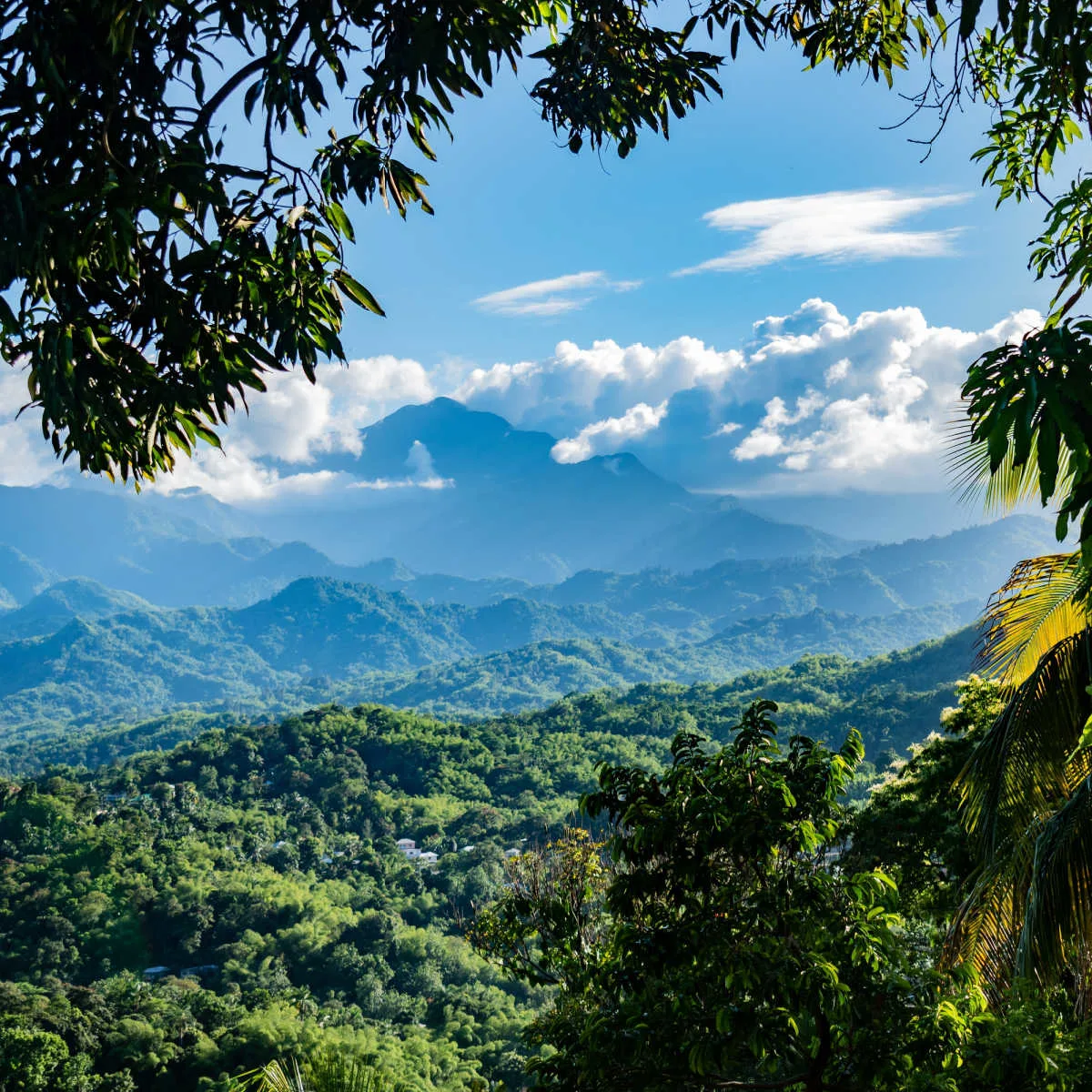
3 hour hike
Reaching the highest point in Jamaica provides context for the steep terrain and microclimates that define Blue Mountain coffee.
45 min drive
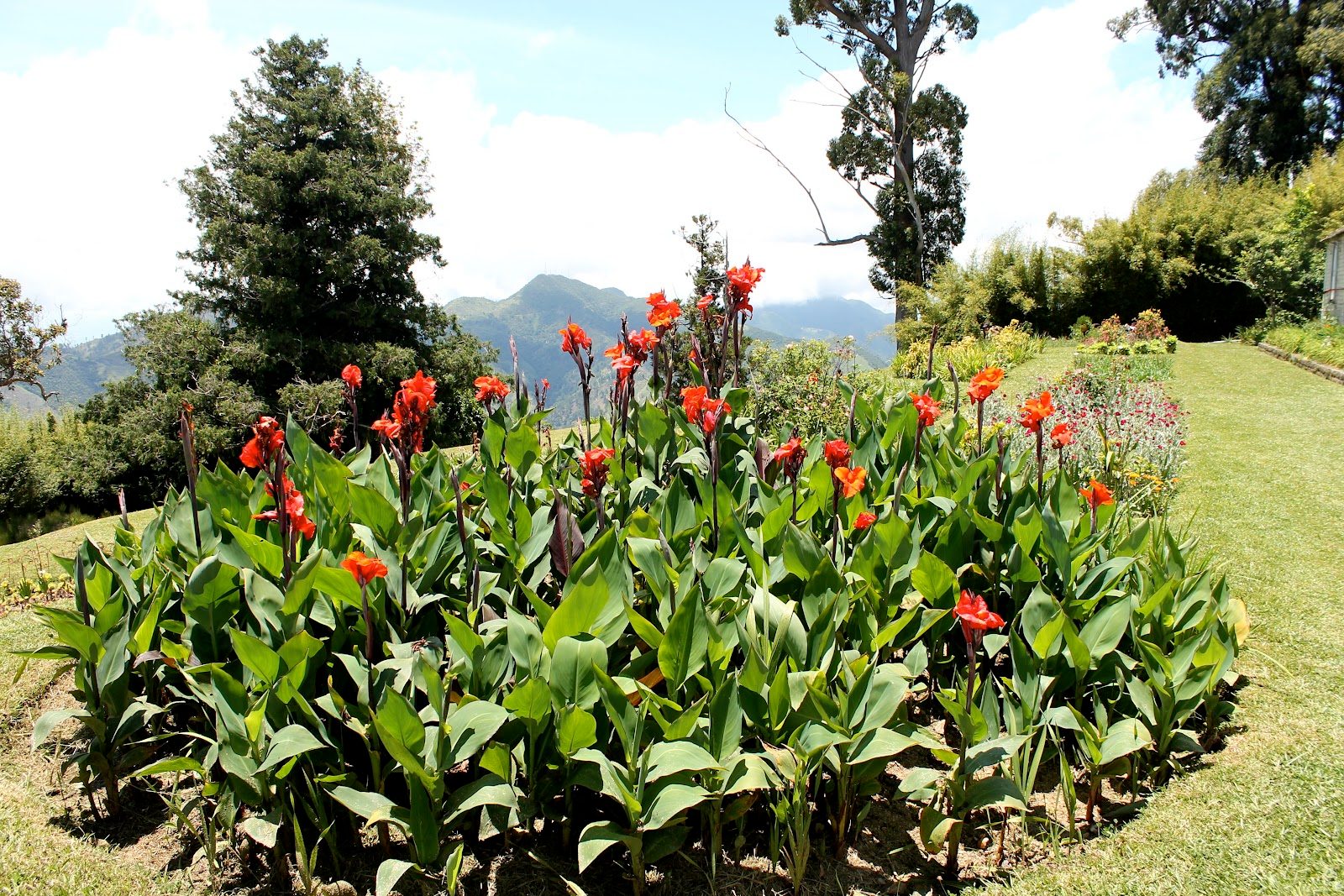
Established in the late 19th century, these gardens provide historical context for plant acclimatization in the higher mountain elevations.
Everything you need to know about is jamaican blue mountain coffee worth the price
Determining if Jamaican Blue Mountain coffee worth the price depends on your appreciation for its specific flavor profile and the labor-intensive cultivation process. Many enthusiasts find the smooth, mild taste justifies the premium cost of these high-altitude beans.
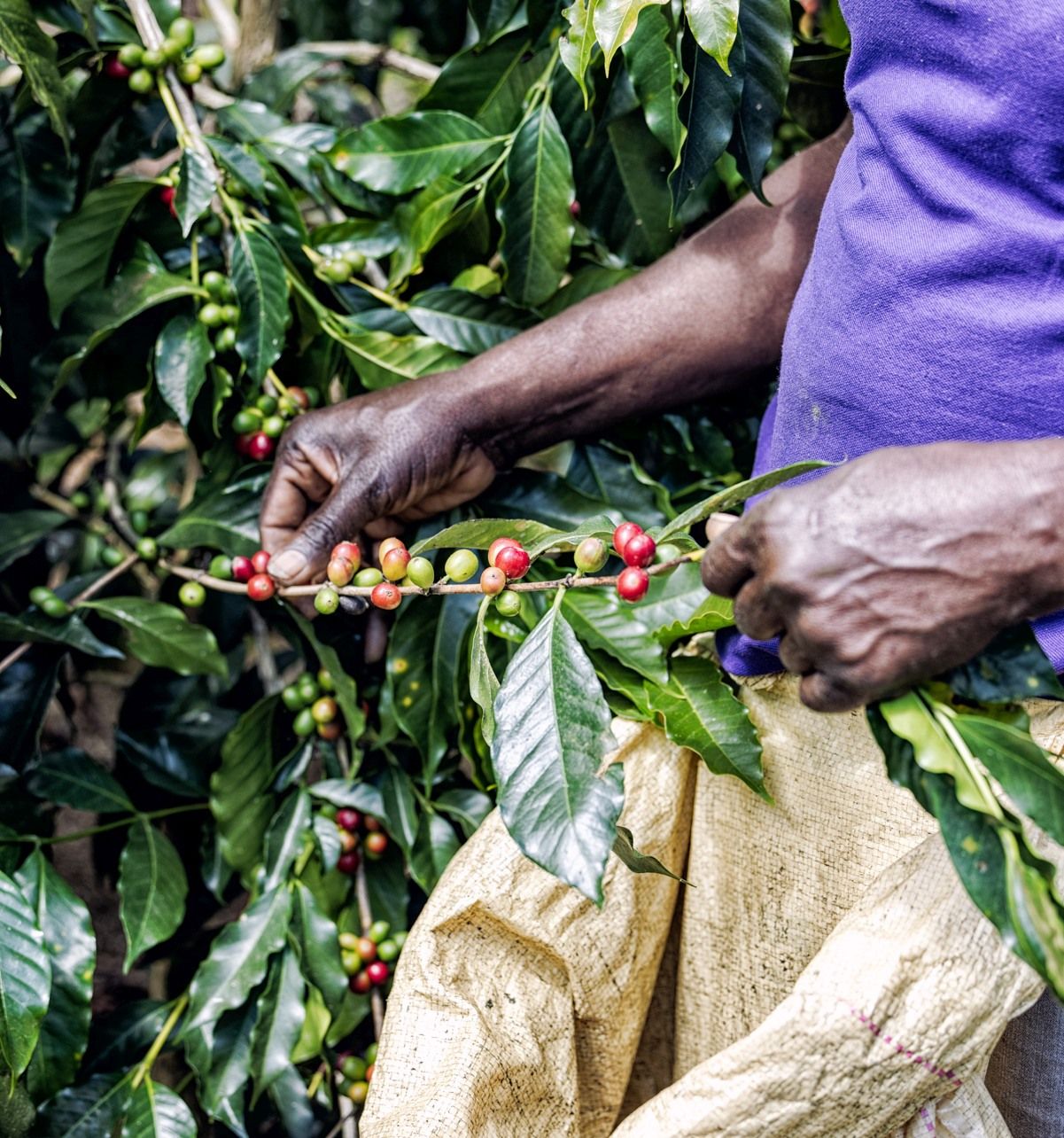
The high cost reflects the limited geographical area where it is grown and the demanding hand-picking process required on steep terrain. Strict quality certification by the Jamaica Coffee Industry Board further ensures the beans meet rigorous international standards.
Yes, visiting the Blue Mountain range is free as there is no public access gate or admission fee. You can explore the lush landscape independently, though we recommend guided tours to better understand the production history.
Whether is Jamaican Blue Mountain coffee worth the price is often debated by comparing its rarity against mass-produced commercial varieties. Its distinct lack of bitterness and unique aromatic qualities set it apart in the specialty coffee market.
The best arrival window is between 08:00 and 16:00 to ensure safer driving conditions on the steep, winding mountain roads. Daylight travel is essential for navigating the complex topography of St. Andrew and surrounding parishes.
There are no entry fees for entering the Blue Mountain region because it is a expansive geographical area rather than a single gated facility. You may freely traverse the public roads that wind through the coffee estates.
For casual drinkers asking is Jamaican Blue Mountain coffee worth the price, the value often lies in the rarity of the crop and the prestige of the origin. It is frequently sought after as a gift or a luxury experience rather than a daily staple.
The exceptional value of these beans is rooted in the mist-covered microclimate and volcanic soil that produce a balanced cup. By exploring the region, you gain firsthand insight into why the industry maintains such high standards for this Jamaican treasure.